
Bed bug bites often appear as itchy, raised bumps, sometimes grouped together or arranged in a line. Their appearance varies between people and skin tones, and some people develop no visible reaction.
Photos can show possible appearances, but bites alone cannot confirm bed bugs. Below, we explain common reactions, similar-looking conditions, when to seek medical help, and which signs to look for around your bed.
What Do Bed Bug Bites Look Like?
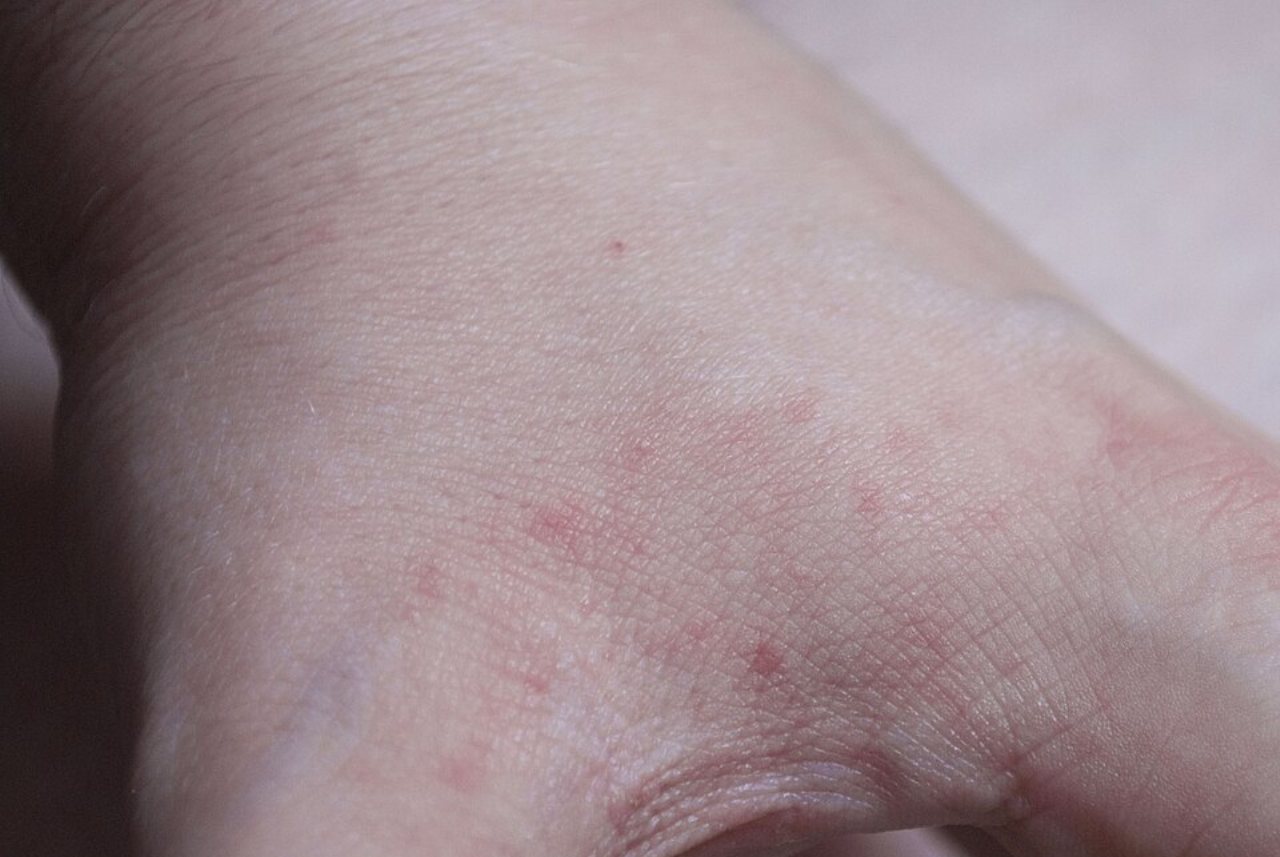
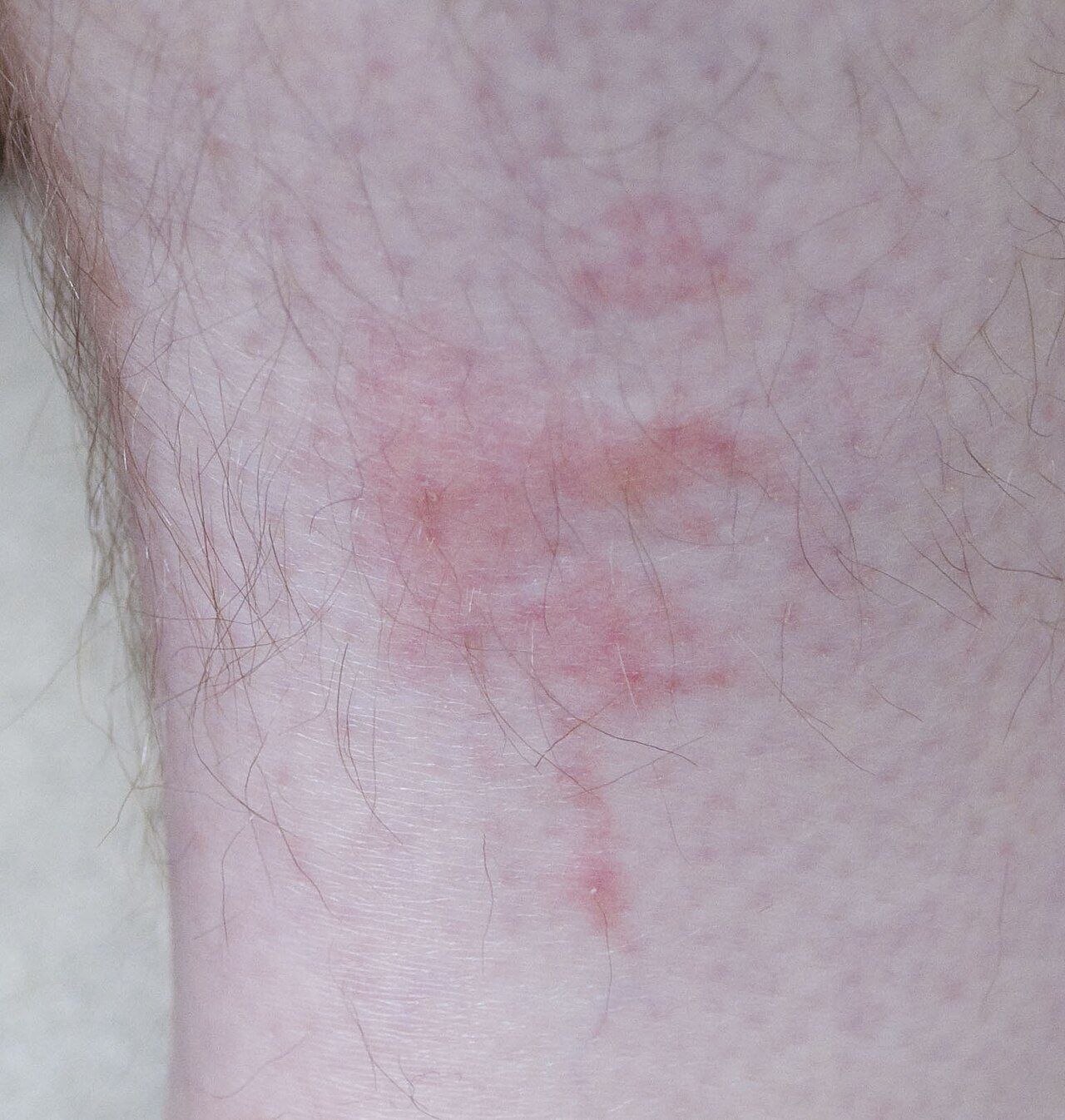
Bed bug bites don’t look the same because different people react differently. Still, there are a few common ways they present:
- Small raised bumps arranged in a line, zigzag, or loose cluster
- A pimple-like bump with a darker red centre, surrounded by slightly swollen skin
- A round, fluid-filled blister
- A patch of several small red or purple bumps that resemble hives
Some people develop no visible marks at all, even after repeated bites. Others get a mildly swollen, reddish bump that itches for a few days that looks like a mosquito or flea bite.
A few factors shape how a bite ends up looking:
- The anticoagulant in bed bug saliva. Bed bugs inject a small amount of anticoagulant as they feed, and the look of the bite depends on how your skin reacts to this substance.
- Your own sensitivity. Some people’s immune systems barely register a bite, while others react strongly. Research has shown that saliva triggers immune cells to release a range of chemical signals, which is part of why some people experience swelling, redness, and itching.
- How often you’ve been bitten. Repeated exposure can change your reaction over time – sometimes it can make it stronger, sometimes weaker.
- Different skin tones. Bites can look very different on different skin tones. On lighter skin, they typically show up as pink or red welts. On darker skin, the same bite may appear as a faint pink or purplish mark, and may also be harder to notice at first.

Where Do Bed Bugs Bite?
Bed bugs feed at night, so they pierce and feed on whatever part of the skin is exposed while people sleep. The most common spots where people get bitten are the face, neck, arms, hands, and lower legs. In summer, when people sleep in less clothing, bites can appear almost anywhere on the body.
How Do Bed Bugs Bite?
A bed bug doesn’t simply bite once and move on. It probes the skin for a usable blood vessel, then starts feeding. If it’s disturbed mid-feed, for example, if you shift in your sleep, it will often relocate a short distance and try again. That’s how a single bug can leave behind several bites in one night.
This also means the number of bites on your skin isn’t a reliable way to estimate how many bugs are actually in your home. One bug can leave several bites, while several bugs often leave overlapping bites.
Do Bed Bugs Bite Every Night?
Not necessarily. In the early stages of an infestation, bites can be sporadic, occurring once every few days. As the population grows, feeding becomes far more frequent, simply because an increasing number of bugs are searching for food. You can read more about bed bug feeding habits here.
Why Don’t I Feel the Bite?
Bed bug saliva contains a mild anaesthetic, which is why most people don’t wake up when getting bitten. It’s also why the reaction doesn’t show up straight away. It can take anywhere from a few hours to around two weeks for a mark to appear, which makes it genuinely difficult to pin down when and where you were bitten.
Symptoms of Bed Bug Bites
Along with the visible marks that a bed bug bite leaves, there are also a few common symptoms that you can experience:
- Itchiness
- Inflammation that resembles a pimple or rash
- A burning sensation
- Mild pain or discomfort

Although bed bugs don’t carry diseases, scratching a bite can break the skin and lead to serious infections such as impetigo or cellulitis. That’s why it’s best to resist the urge to scratch, even if you are itching.
In rare cases, bed bug bites can trigger a more serious reaction. The signs of severe, potentially life-threatening reactions include:
- Difficulty breathing
- A swollen tongue or face
- Widespread blistering
- Fever
- An irregular heartbeat
- Feeling seriously unwell
If any of these symptoms appear after a bite, seek medical attention straight away.
The stress of living with an infestation can also affect your mental health. Read more about it here: Delusional Parasitosis and Bed Bugs
How Long Do Bed Bug Bites Last?
Most bites heal within about a week, though this depends on how your body reacts and whether you’re still being bitten. If the infestation isn’t treated properly, you will keep discovering new bite marks.
Who Can Get Bitten?
Anyone living in or visiting an infested property can be bitten. But as covered above, not everyone reacts. The absence of bites on your skin doesn’t rule bed bugs out, and it certainly doesn’t mean the rest of your household is in the clear.
Do Bed Bugs Bite Dogs or Cats?
Bed bugs feed on animals too, and people often mistake the marks for flea bites. However, unlike fleas, bed bugs don’t live on your pet. They feed and then retreat to their hiding spots nearby, so watch out for unusual irritation or restlessness at night. It’s worth checking your pet’s bedding for signs of bed bugs.
How to Tell If These Are Really Bed Bug Bites
To be honest, bites alone aren’t enough to confirm bed bugs, given how differently people react and how many other insects and skin conditions can look similar.
What actually confirms an infestation are the physical signs left behind:
- Small rusty spots on your mattress or bedding (bed bug droppings)
- Shed skins from moulting nymphs
- Musty odour (in severe cases)
- Live insects, usually found along mattress seams, bed frames, or nearby furniture
If you’ve spotted bites and any of the above, the chances are you’re dealing with an infestation rather than an isolated insect bite.
Check also: What Do Bed Bugs Look Like?
Found Signs of Bed Bugs? Here’s What to Do
If you suspect you’re having a bed bug problem, the next step is a proper inspection. DIY treatments can push bed bugs further into your home, scattering them into walls and neighbouring rooms rather than dealing with the source.
Our team carries out a full inspection, confirms exactly what you’re dealing with, and recommends the right treatment for your property. We offer both Heat Treatment and Steam & Spray Treatment, and we’ll recommend whichever best suits the scale of your infestation. Get in touch today, and we’ll help put your mind at rest.